

GMP Compliance Insights & Professional Perspectives
Blog
Blog Overview
The following articles provide structured insights and professional reflections on Good Manufacturing Practice (GMP), audit readiness, data integrity, quality system design, and other compliance-relevant topics.
Content is presented in English and aimed at quality professionals, compliance teams, and decision makers in regulated environments. Articles are intended to promote practical understanding and contextual clarity, not to prescribe specific solutions.
Published content may range from distilled regulatory perspectives to pragmatic process considerations.
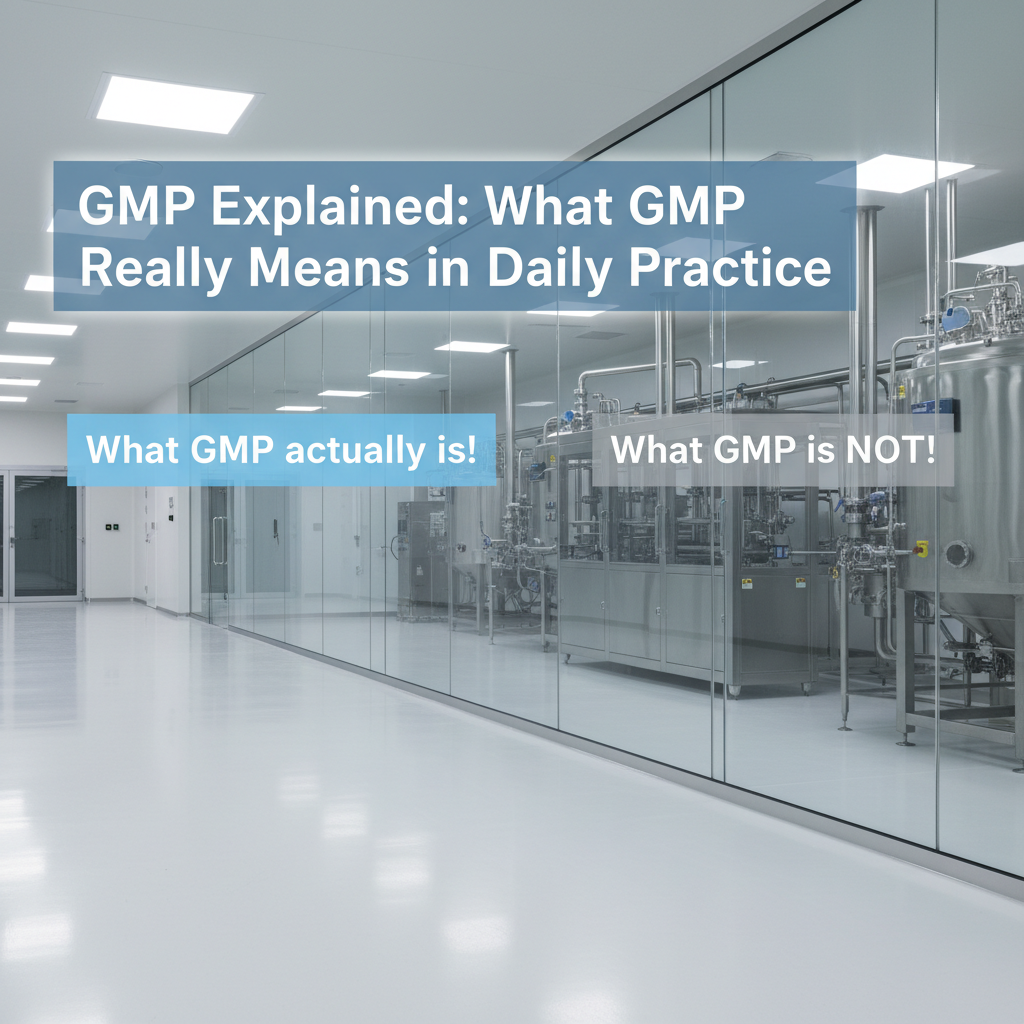
GMP Explained: What GMP Really Means in Daily Practice
GMP Explained: What GMP Really Means in Daily Practice
Introduction
GMP is often reduced to documentation, SOPs, and inspection readiness.
Many professionals work for years in GMP environments and still struggle to explain what GMP actually means.
In daily practice, GMP is neither abstract nor theoretical.
It is visible — every day — in decisions, responsibilities, and how systems are used under real conditions.
This article is part of my “GMP Explained” series, created to clarify what GMP really is — and what it is not.

Von der GMP-Compliance zur Exzellenz: Eine Analyse der menschlichen und kulturellen Triebfedern für Qualität
Trotz ihrer fundamentalen Bedeutung stoßen traditionelle Audits jedoch an ihre systemimmanenten Grenzen. Ihr primärer Fokus liegt auf der Überprüfung von Dokumenten wie Standardarbeitsanweisungen (SOPs), Herstellungs- und Verpackungsprotokollen, Validierungsberichten und Schulungsunterlagen. Ein Audit-Bericht fasst die festgestellten Mängel zusammen, die häufig in einer unvollständigen oder fehlerhaften Dokumentation begründet sind. Diese reaktive Natur bewertet primär, was in der Vergangenheit geschehen ist, indem sie Nachweise und Befunde (Evidence & Findings) systematisch erfasst. Während dieser Ansatz Schwachstellen im Qualitätssystem zweifellos aufdeckt, beschränkt er sich oft auf die Untersuchung der Symptome, nicht aber der tieferliegenden Ursachen.